What are the Benefits of Butterfly Pea Tea?
Ever seen that stunning blue tea and wondered about its allure? Butterfly pea tea (derived from Clitoria ternatea) isn't just visually captivating; it also offers a range of potential health benefits. This isn't a fleeting trend; research suggests tangible advantages, from its antioxidant prowess to potential cognitive enhancements. Let's explore the science, preparation methods, and precautions surrounding this vibrant beverage.
A Natural Antioxidant Powerhouse
Butterfly pea tea is rich in antioxidants, particularly anthocyanins (plant compounds that give it its vibrant blue color). These antioxidants combat free radicals (unstable molecules that damage cells), potentially slowing down aging and reducing the risk of various health problems. Think of them as tiny bodyguards protecting your cells from harm.
Could it Boost Your Brainpower?
Preliminary studies suggest that butterfly pea tea might improve cognitive function. Some research hints at potential benefits for memory and concentration, likely due to its anthocyanin content. However, more large-scale, rigorous studies are needed to confirm these effects definitively. While the evidence is promising, it's too early to definitively claim a "brain boost." This area warrants further scientific exploration.
Balancing Blood Sugar Levels: A Promising Possibility
Early research suggests that butterfly pea tea might play a role in blood sugar regulation. This is particularly interesting for individuals managing diabetes or seeking to improve their metabolic health. Crucially, this tea should not replace prescribed medications or a healthy lifestyle. Consult your doctor before making any dietary changes, especially if you have diabetes or related conditions. Butterfly pea tea is a potential supplement, not a cure.
Beyond Health: Beauty and Flavor
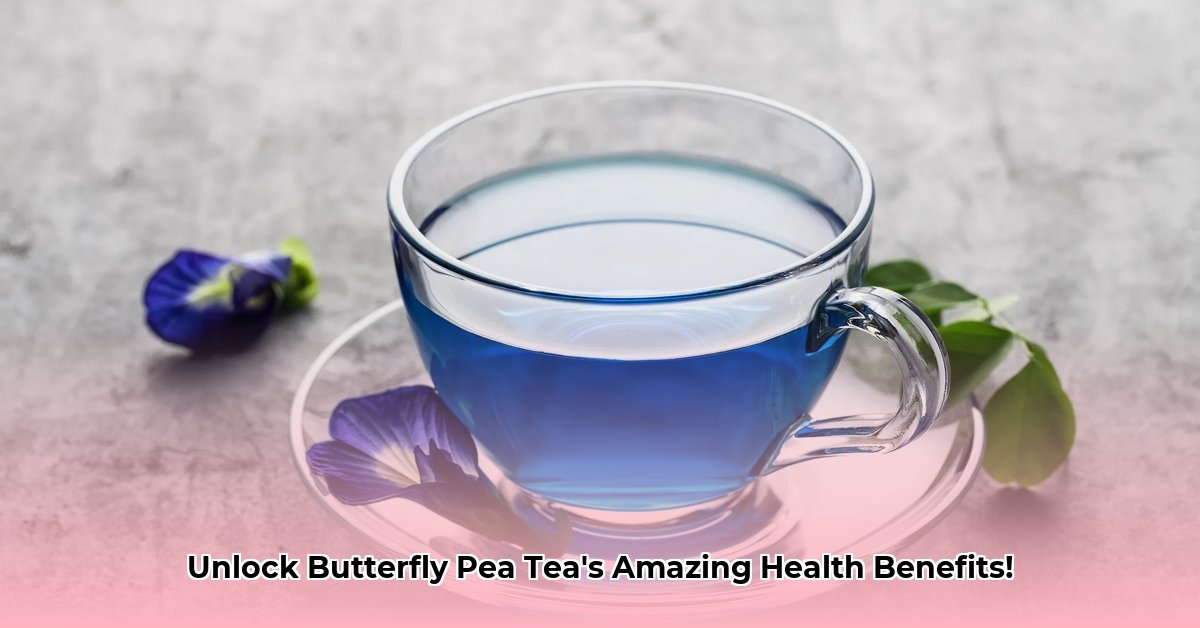
Aside from potential health benefits, butterfly pea tea is visually striking. Its intense blue hue transforms to a mesmerizing purple with a squeeze of lemon—a delightful visual experience. The taste? Subtly sweet and earthy, offering a unique and refreshing alternative to your usual beverages.
Brewing Your Perfect Cup: A Simple, Step-by-Step Guide
Making butterfly pea tea is remarkably simple:
- Heat Water: Bring fresh, filtered water to a rolling boil (around 212°F or 100°C).
- Add Flowers: Steep 1-2 teaspoons of dried butterfly pea flowers per cup of hot water. Adjust to your preference.
- Steep Time: Steep for 5-10 minutes. Longer steeping yields a richer color and stronger flavor.
- Strain & Enjoy: Strain the tea through a fine-mesh strainer. Enjoy hot or chill for a refreshing iced tea. Experiment with lemon, honey, or other additions for a personalized touch.
Potential Side Effects and Precautions: Informed Consumption
While generally safe, butterfly pea tea may interact with certain medications, especially blood thinners. Consult your doctor before consuming it, particularly if pregnant, breastfeeding, or taking medication. Always start with small amounts to monitor for any adverse reactions like gastrointestinal upset.
Finding Quality Butterfly Pea Tea: Sourcing Your Brew
High-quality butterfly pea tea can be found online from reputable vendors or at specialty health food stores. Look for brands that prioritize organic and sustainably sourced ingredients. Check customer reviews to assess quality and experience.
Butterfly Pea Tea: A Holistic Perspective
Butterfly pea tea offers a blend of visual appeal, delightful taste, and intriguing potential health benefits. While research is ongoing, this unique beverage may offer a valuable addition to a balanced lifestyle, but it's not a substitute for healthy habits and medical advice. Remember that more research is needed to confirm many of the purported health benefits.